
How Long Is Postpartum Recovery Really?
If you’re here, odds are you are pregnant and looking forward to what comes next, or you had a baby and are thinking “oh snap… now what”.
Either way - you’ve come to the right place!
A lot of women have this assumption that we “should feel back to normal by 6 weeks postpartum” and… that’s just simply not the case nor is it true for many many women. This myth can easily make you feel more defeated and discouraged.
Thankfully,
You’re not alone, and postpartum recovery is a process. For many people, it lasts much longer than we think.
At NOLA Pelvic Health we want to talk honestly about what postpartum recovery actually looks like and how we can help you along the way!
The Short Answer: It Depends—But It’s Longer Than 6 Weeks
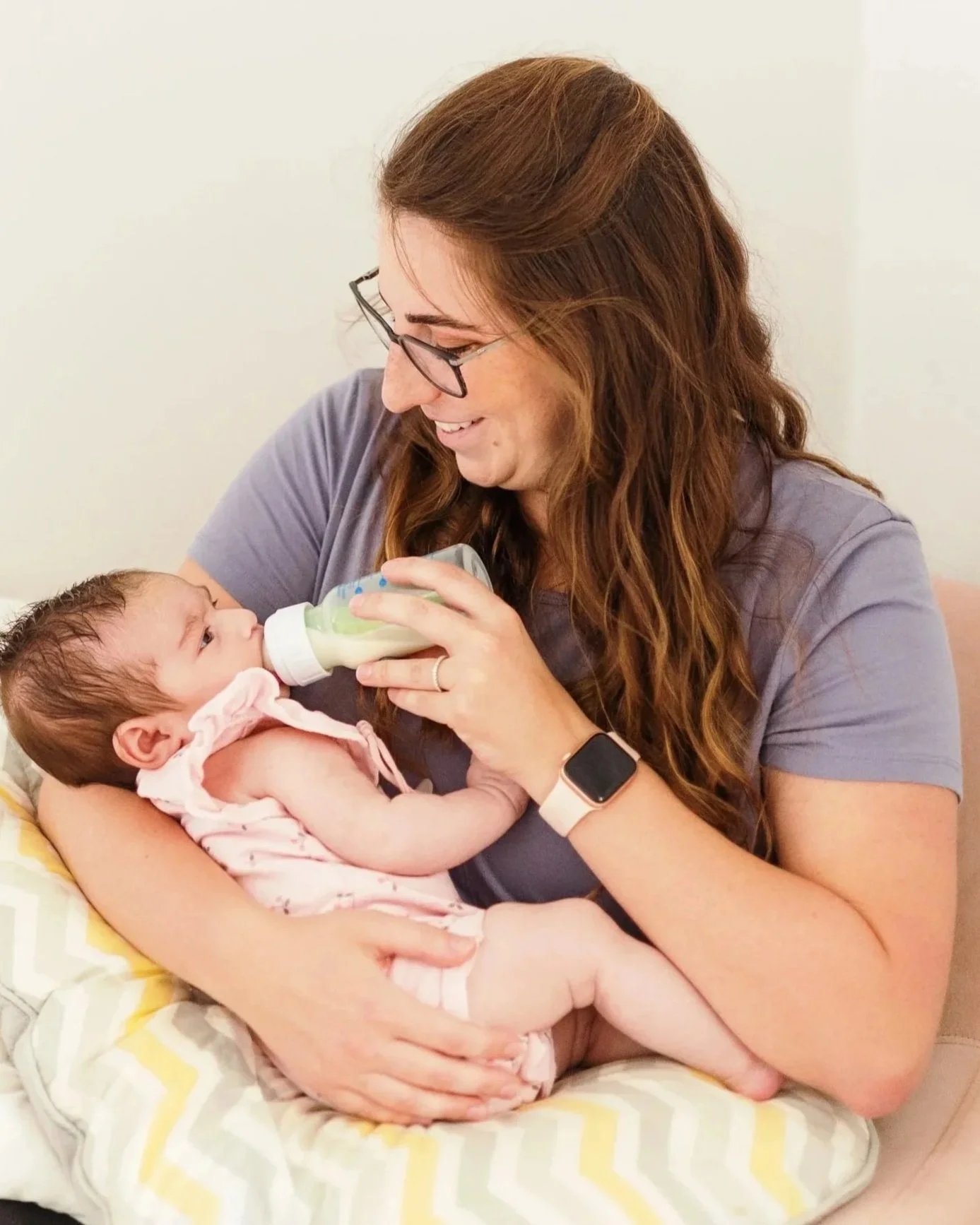
The 6-week postpartum checkup with your OBGYN is a medical clearance, not a full recovery timeline.
At 6 weeks:
Bleeding has usually stopped
Major tissue healing has begun
You’re often cleared for “normal activity”
What it does not mean:
Your core and pelvic floor are fully strong
Your body has adapted to load, impact, or exercise
You should feel pain-free, confident, or “back to normal”
Everyone is different but for many people, true recovery takes months or years!
A More Realistic Postpartum Recovery Timeline
0–6 Weeks: Healing & Stabilization
This phase is about tissue healing and rest.
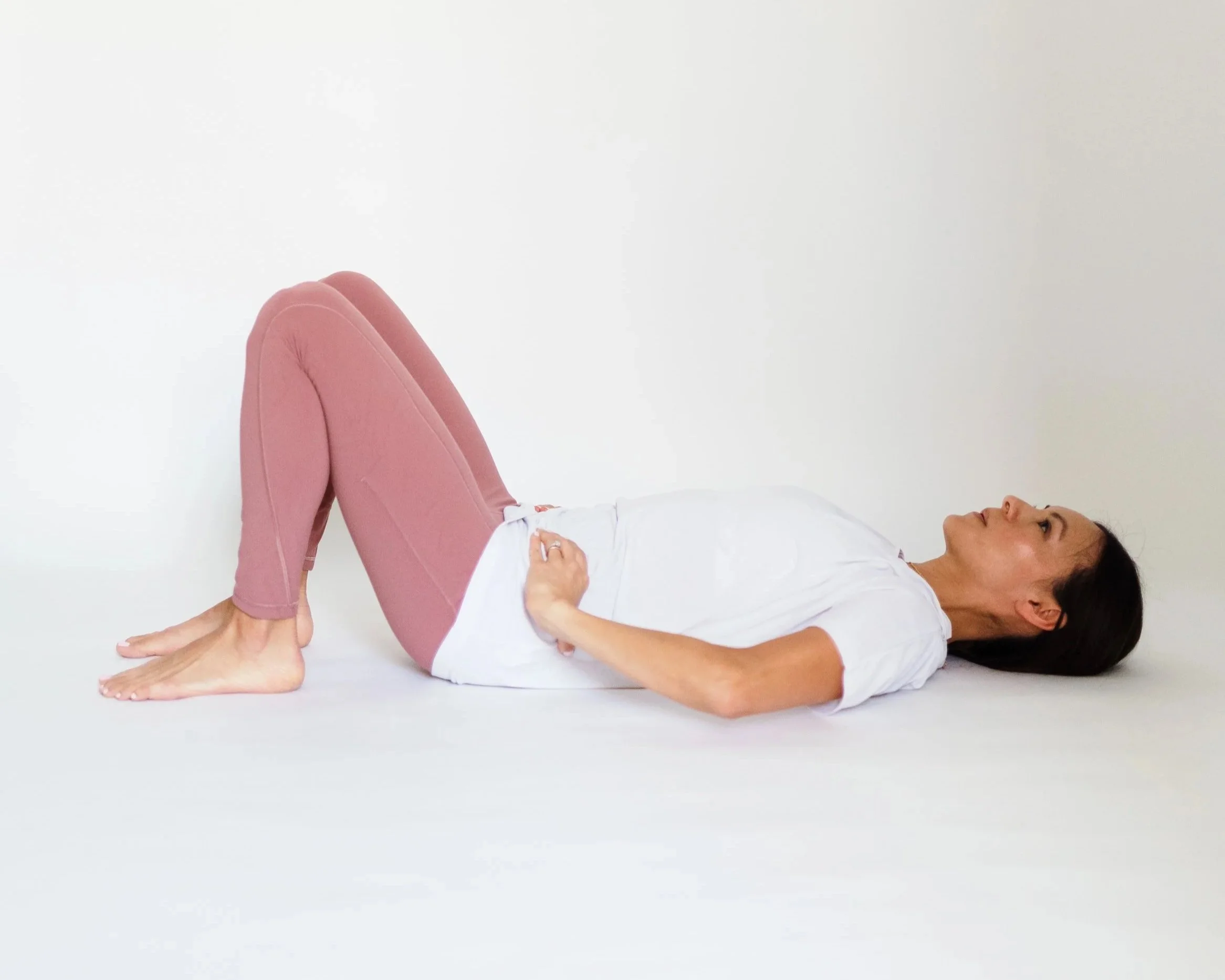
Things that are happening during this phase are:
vaginal bleeding (lochia), afterpains (uterine contractions), perineal or c-section scar healing, breast changes, and hormonal shifts.
The focus here should be:
Gentle mobility
Diaphragmatic breathing and brain body connection
Core, hip, and postural strengthening to improve function
Walking
Common experiences during this phase include:
Fatigue
Pelvic heaviness or pressure
Urinary leaking
Core weakness
Back or hip discomfort
6–12 Weeks: Rebuilding the Foundation
This is when many people are told they’re medically cleared—but the body is often just ready to start rebuilding strength and endurance, not return to everything all at once.
During this phase:
• The pelvic floor is still learning coordination
• The core is regaining connection and strength
• Strength and endurance are gradually progressing
It’s important to have started working on a solid foundation up to this point so you can feel more confident returning to exercise.
However, there are many factors that go into whether you are ready to jump back into your normal exercise routine or if we may need modifications or a slower progression.
Some of these factors include:
Level of activity during pregnancy
Level of activity during first 6 weeks postpartum
Vaginal or c-section birth
Degree of perineal trauma
Breastfeeding/pumping or strictly formula feeding
Sleep habits, nutritional intake, and support from partner/family/caregivers
3–6 Months: Strength, Endurance, and Confidence
This is where meaningful strength gains usually begin. This does not mean you can’t strength train prior to this point, but typically exercise will start to intensify if we’ve built a proper foundation.

During this phase, if you notice:
• Leaking with higher effort
• Core fatigue
• Discomfort/pain with activity
This doesn’t mean something is “wrong.”
It often means the system needs graded load and proper progression which is where your pelvic floor therapist can help guide you.
6–12 Months (and Beyond): Return to Full Capacity
For many people, especially those returning to running, lifting, or high-impact exercise, recovery continues well into the first year postpartum.
At this stage, recovery is less about healing and more about:
• Load tolerance
• Coordination under fatigue
• Confidence in movement
At this point, if you are doing your normal level of function but are still having symptoms, it is better to check in with a PT to assess what area is lacking and where to focus your attention.
Why Postpartum Recovery Is Often Rushed
Culturally, we tend to:
Underestimate what pregnancy and birth demand of the body
Overestimate how quickly strength returns
Normalize symptoms like leaking or pain
But common does not mean normal—or something you have to live with.
What Postpartum Recovery Should Feel Like
Healthy recovery doesn’t mean perfection. It means:
Symptoms gradually improving
Confidence increasing over time
Exercise feeling supportive, not punishing
Your body responding positively to load
If symptoms linger, worsen, or limit your life, that’s not a failure, it’s feedback.
You’re Not Behind
If you’re months (or years) postpartum and still don’t feel like yourself:
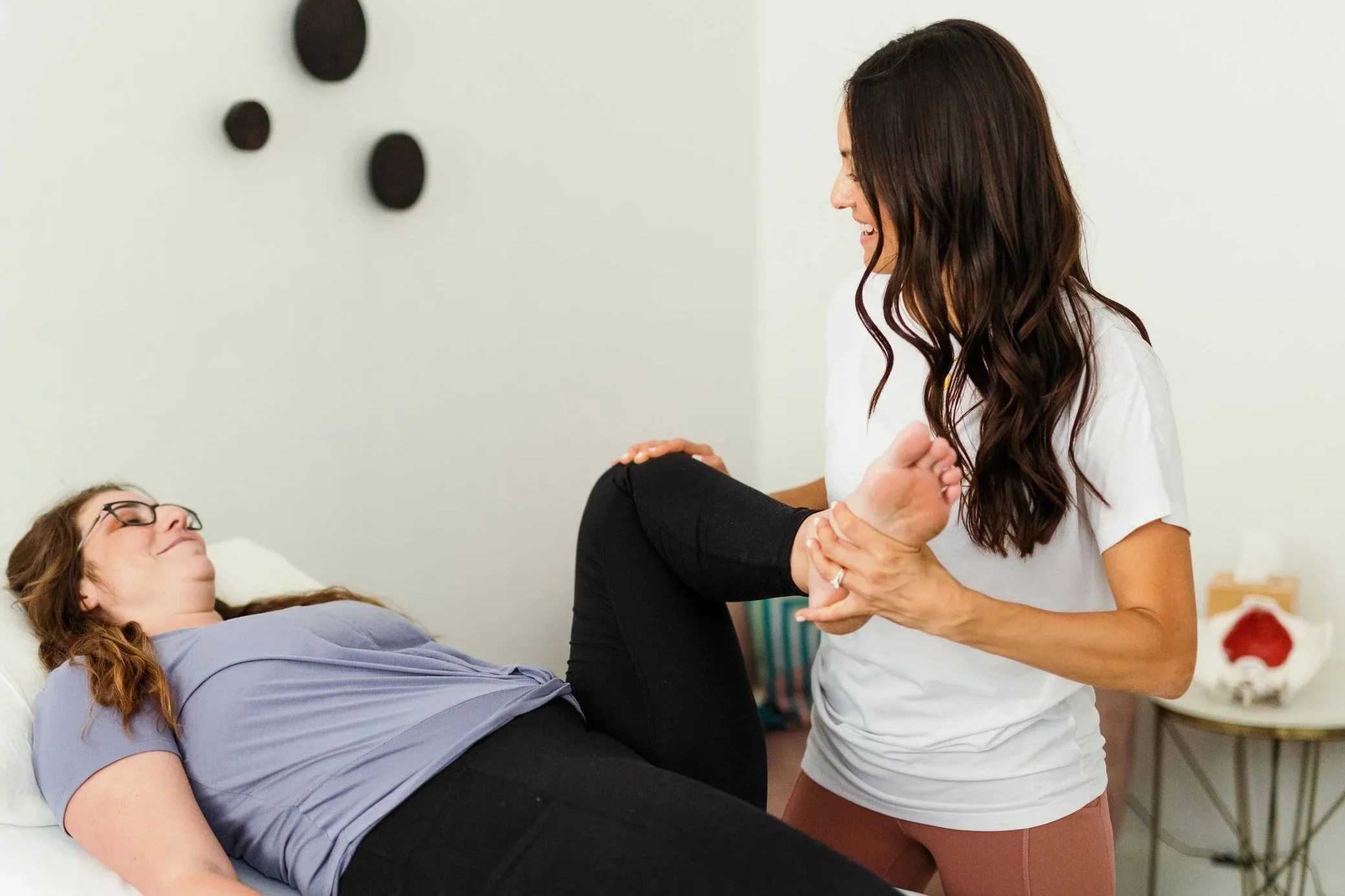
You didn’t miss your window
You’re not broken
It’s not “too late”
Postpartum recovery isn’t linear—and support can make a meaningful difference at any stage.
Final Thought
The most honest answer to “How long is postpartum recovery really?”…
As long as it needs to be—and that’s okay.
Hi, we’re the team of NOLA Pelvic Health and we would love to help guide you during your perinatal journey.