
How to Prevent Perineal Tearing: An Evidence Based Guide
If you are preparing for childbirth, there is a good chance the words "perineal tearing" have crossed your mind. It is completely normal to feel anxious about how your body will actually work to bring your baby into the world.
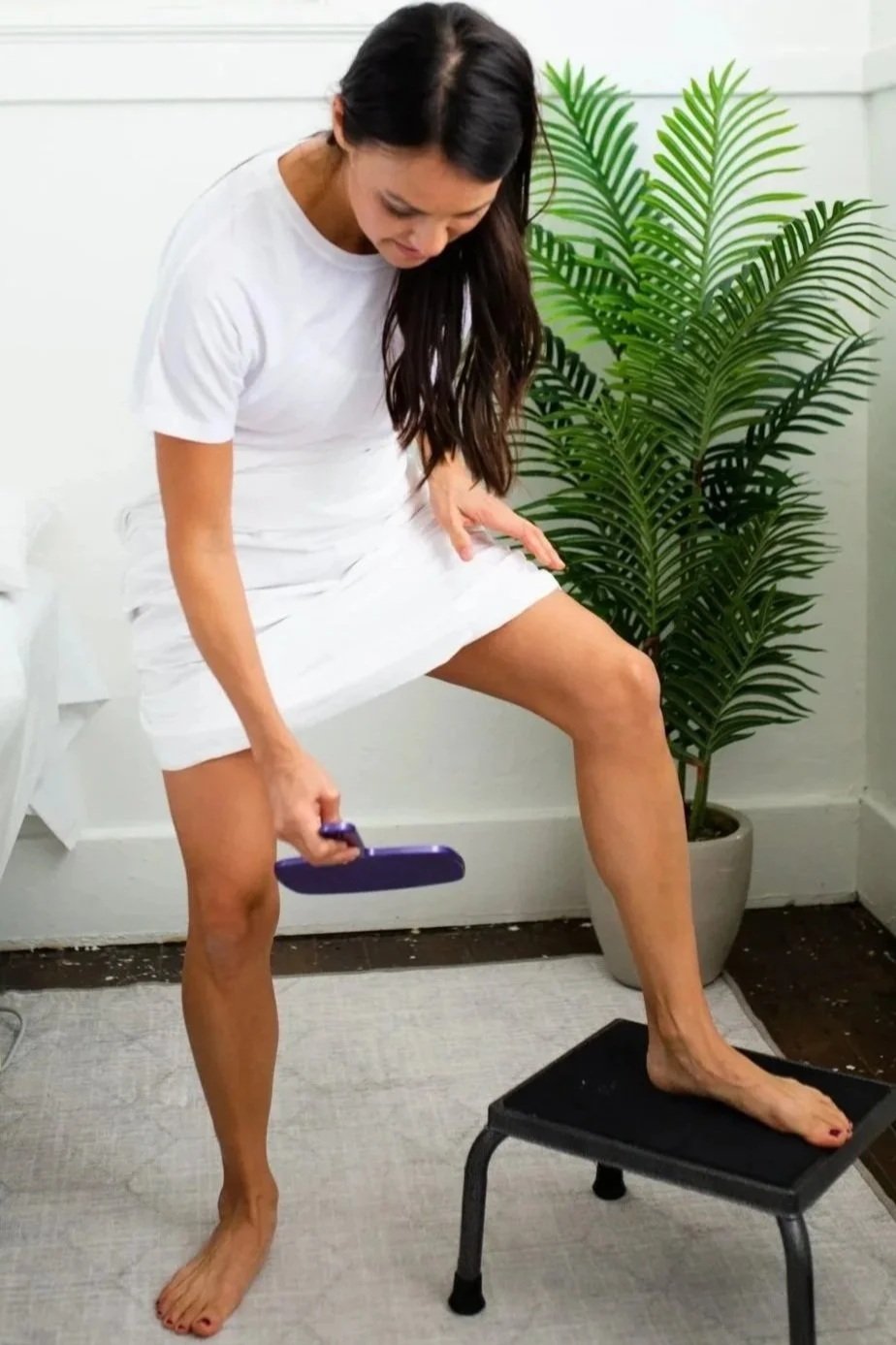
First, let’s take a deep breath. Tearing is incredibly common, and unfortunately it does occur in up to 90% of first-time vaginal births. For the vast majority, these are mild, superficial tears (1st and 2nd degree) that heal beautifully on their own or with a few dissolving stitches. PS: the vagina is magical!!
Severe tears (3rd and 4th degree) are much less common, and more importantly, they are highly preventable. As pelvic floor physical therapists, our goal isn't just to help you heal after birth, it is to give you the tools to protect your body before and during birth.
By understanding how the pelvic floor and vaginal wall stretches, you can shift the birthing environment in your favor. Here are the biggest risk factors for severe tearing and exactly how to avoid them.
What Increases the Risk of Perineal Tearing?
When it comes to tearing, the speed of delivery and the positioning of your pelvis matter immensely. The most common risk factors for severe lacerations include:
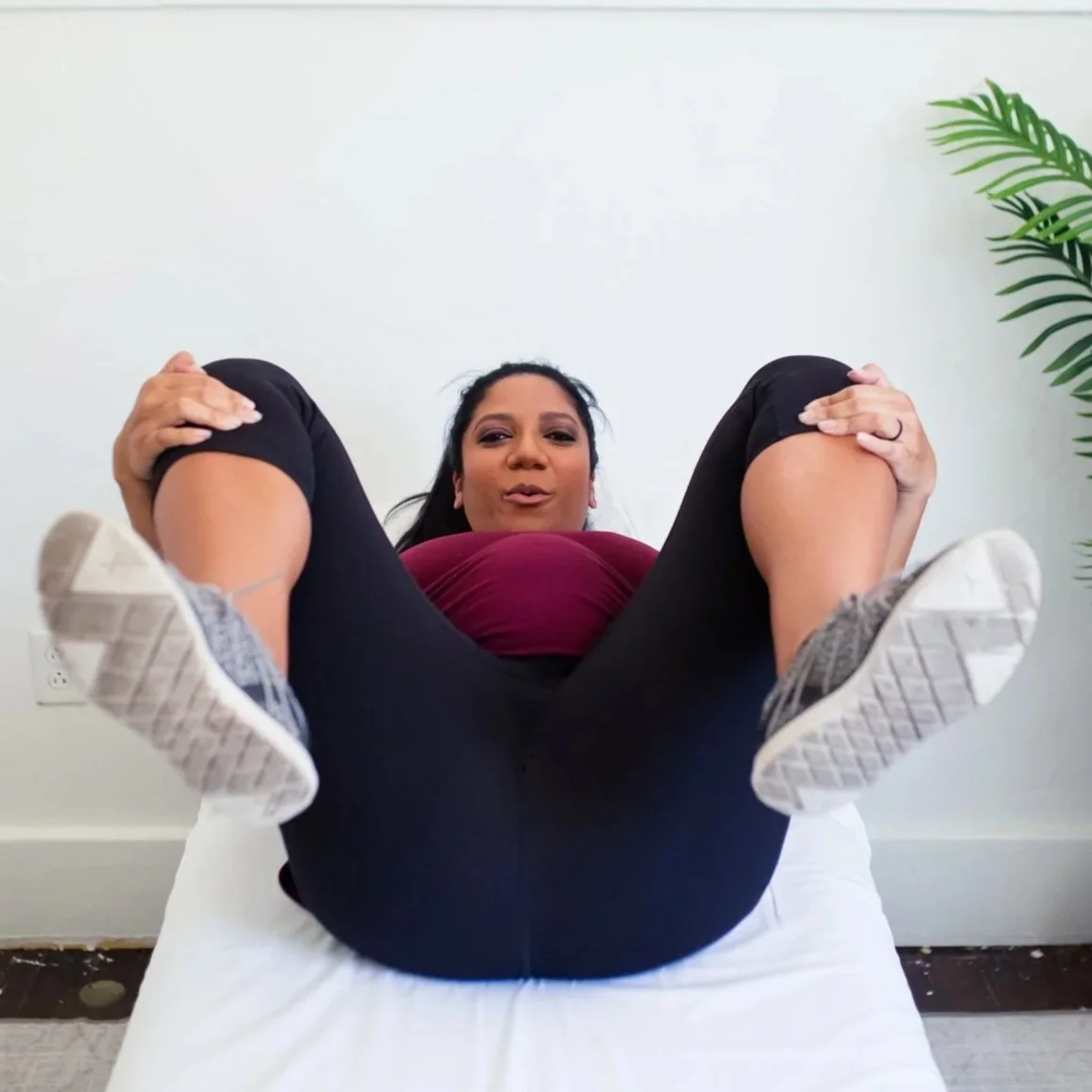
The "Flat-on-Your-Back" Position: Birthing on your back with your legs pulled up in stirrups forces your sacrum and tailbone completely flat against the bed. This makes your pelvic outlet more narrow and forces the baby to push upward against gravity, concentrating 100% of the pressure straight down onto your perineum.
Coached, Breath-Holding Pushing:Being told to hold your breath, tuck your chin, and count to 10 (aka the valsalva maneuver) exerts massive, sudden intra-abdominal pressure. This explosive force drives the baby down faster than your tissues can naturally yield, thin out, and adapt.
Routine Episiotomies:Modern data shows that a routine cut to the perineum can actually worsen into a more severe, deep laceration vs allowing the body to tear naturally. Thankfully these are not as routine as they used to be, but it is still a good idea to see how often your specific OBGYN performs these through their practice.
How to Prevent Tearing: Your Action Plan
To protect your pelvic floor, the goal is to allow your tissues to expand slowly, smoothly, and under your control. Here are five evidence-based ways to do just that:
Choose Pelvic-Opening Birth Positions
To give your perineum the most space possible, choose positions that allow your tailbone to float freely.
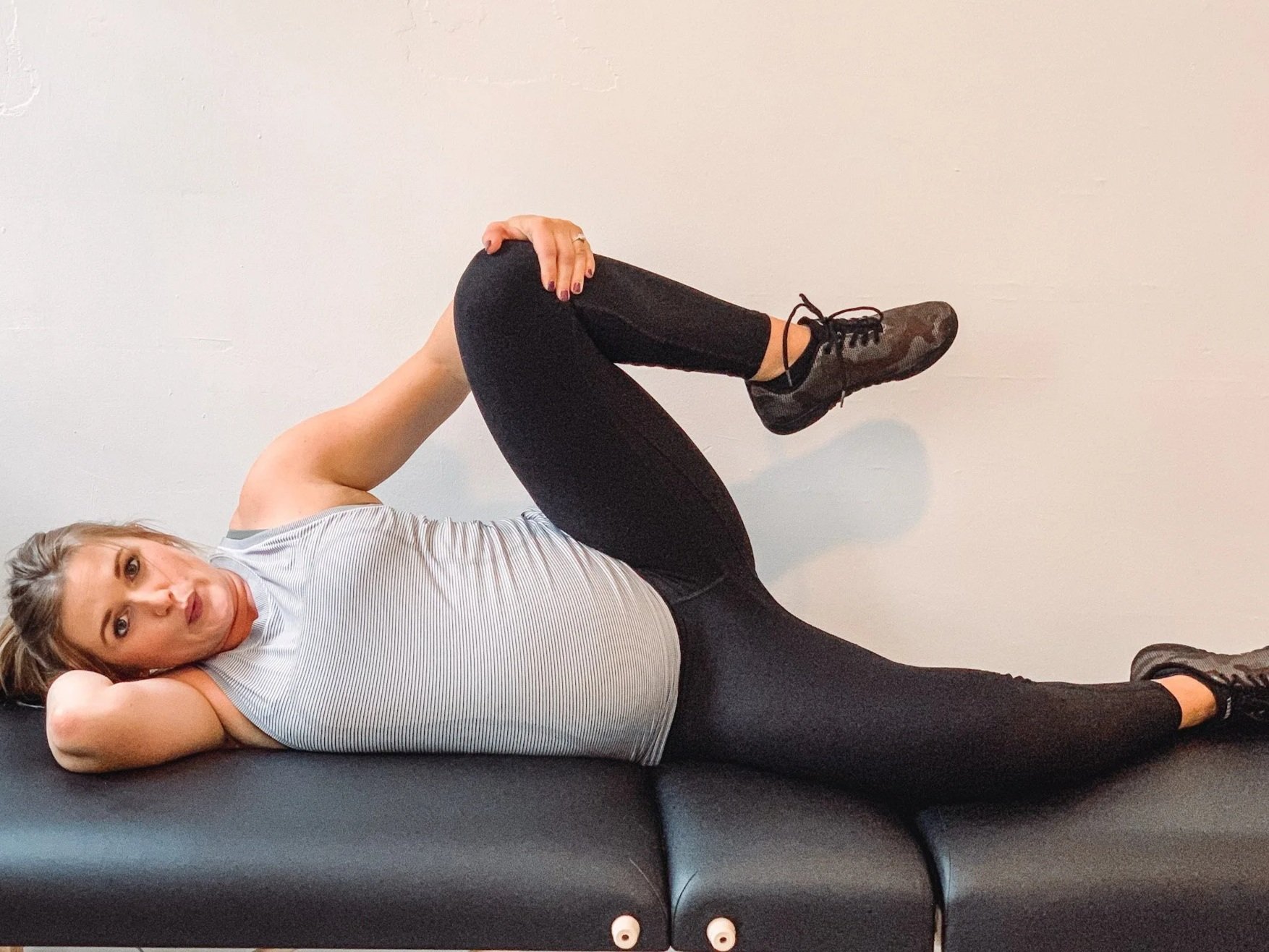
Side-Lying (Lateral):Lying on your side with your top leg supported by your partner or yourself is highly evidence-based for reducing severe tears. It naturally slows down the baby's descent, giving your skin time to stretch.
Hands and Knees (Quadruped): Leaning forward over a birth ball or the back of the hospital bed uses gravity to help the baby glide out while taking the direct structural pressure completely off your rectum and perineal body.
Both of these position maximize the sagittal diameter of the pelvic outlet.
2. Practice "Open-Glottis" Pushing
Instead of holding your breath until your face turns purple, let your breath out slowly while making deep, low-pitched vocalizations (think a deep grunt or a "moo" sound) as you follow the natural urge of a contraction.
There is a neurological connection between your jaw and your pelvic floor: when your jaw is open and relaxed, your pelvic floor relaxes too. Keeping your airway open protects your muscles from sudden, traumatic pressure.
3. Begin Perineal Massage at 34 Weeks (sometimes sooner depending)
Performing perineal massage 1 to 2 times a week for about 5 minutes starting at least at week 34 is clinically proven to reduce the risk of tearing, especially for first-time mothers.
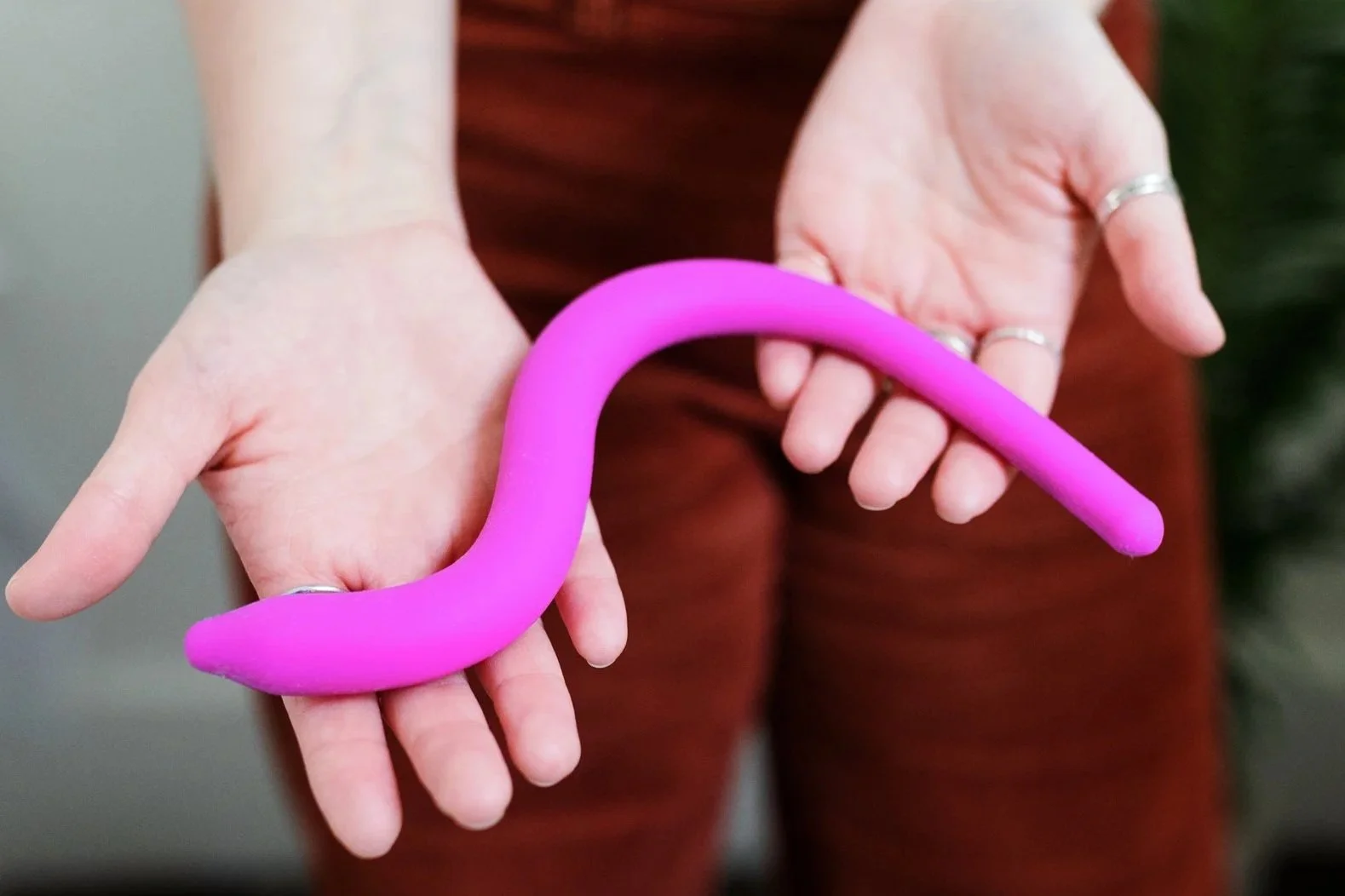
While it does help physically soften the tissue, its greatest superpower is neurological habituation. It teaches your brain to remain completely calm and intentionally relax your pelvic floor when you feel that intense burning or stretching sensation, rather than tensing up and bracing against it.
4. Ask for Warm Compresses During Crowning
During the final stage of labor, ask your doula, nurse, or provider to apply a warm, damp washcloth firmly against your perineum as your baby crowns. The heat increases localized blood flow, making the connective tissue highly elastic. The gentle counter-pressure also provides your brain with wonderful sensory feedback, helping you pace your final pushes. It can be helpful for you to hold on to the compress as well to give your body self-feedback and enhance motivation and encouragement as you feel baby descend!
5. Let Your Body "Labor Down"
If you have an epidural, you may reach 10 cm dilation before you actually feel a physical urge to push. You do not have to start pushing immediately! Request to "labor down." This means letting your uterine contractions do the passive, quiet work of moving the baby down the vaginal canal for an hour or two while you rest, allowing the tissue to expand gradually before you add active effort.
At NOLA Pelvic Health, you will practice each of these strategies with your therapist to ensure you feel super confident day of.
You Are in Control
Your body was designed to open, and you have a major say in how that happens. Bring these strategies into your birth plan, practice your breathing and perineal massage at home, and advocate for pelvic mobility during labor.
If you want individual guidance on how to prep your pelvic floor muscles for labor, or if you want to learn how to master perineal massage before your due date, schedule a childbirth prep evaluation with us to be the most informed and confident mama out there!