
If you’ve ever mentioned a pelvic floor issue to a friend, a doctor, or Google, you’ve almost certainly been given the same piece of advice: “Just do your Kegels.” For decades, kegels have been treated as a cure-all for everything associated with the pelvic floor from urinary incontinence to pelvic organ prolapse. But as pelvic health physical therapists, one of the most common questions we get in the clinic is: “I’ve been doing hundreds of Kegels, so why am I still leaking when I laugh?”
The truth is, while Kegels can be an incredibly effective tool, they are not a one-size-fits-all solution. In fact, for a large number of people, traditional Kegels can actually make pelvic floor symptoms worse, and moving beyond “just kegels” is incredibly important for making symptoms stop!
Let’s dive into what the latest clinical research actually says about pelvic floor muscle training, why your Kegels might not be working, and how to know if you should actually be doing them.
What Does the Research Say? Are Kegels Effective?
The short answer is yes—when applied to the right person, with the right coordination, for the right condition.
Clinical research consistently shows that targeted pelvic floor muscle training (PFMT) is highly effective for specific types of dysfunction, particularly stress urinary incontinence (leaking when you cough, sneeze, or jump).
The Gold Standard for Incontinence:Massive reviews of the clinical data show that structured pelvic floor training is incredibly successful, making you five times more likely to resolve leaking compared to doing nothing on your own. When performed appropriately, it should be the first-line conservative treatment for women with stress, urge, or mixed urinary incontinence. The research showed that those who performed targeted pelvic floor exercises were 5 times more likely to report a cure or significant improvement compared to those who received no treatment (Dumas et al., 2018).
Support for Pelvic Organ Prolapse: Research published in The Lancet demonstrated that a personalized pelvic floor training program significantly reduced pelvic organ prolapse symptoms and prevented the condition from worsening over time (Hagen et al., 2014).
However, there is a massive catch in the data: these studies utilized supervised, highly individualized pelvic floor training—not just generic, unguided squeezing.
In addition, we can’t stop at kegels… we need to be doing more for our core and whole system since the pelvic floor doesn’t work in isolation!
Why Kegels May Be Failing You: The “Hypertonic” Pelvic Floor
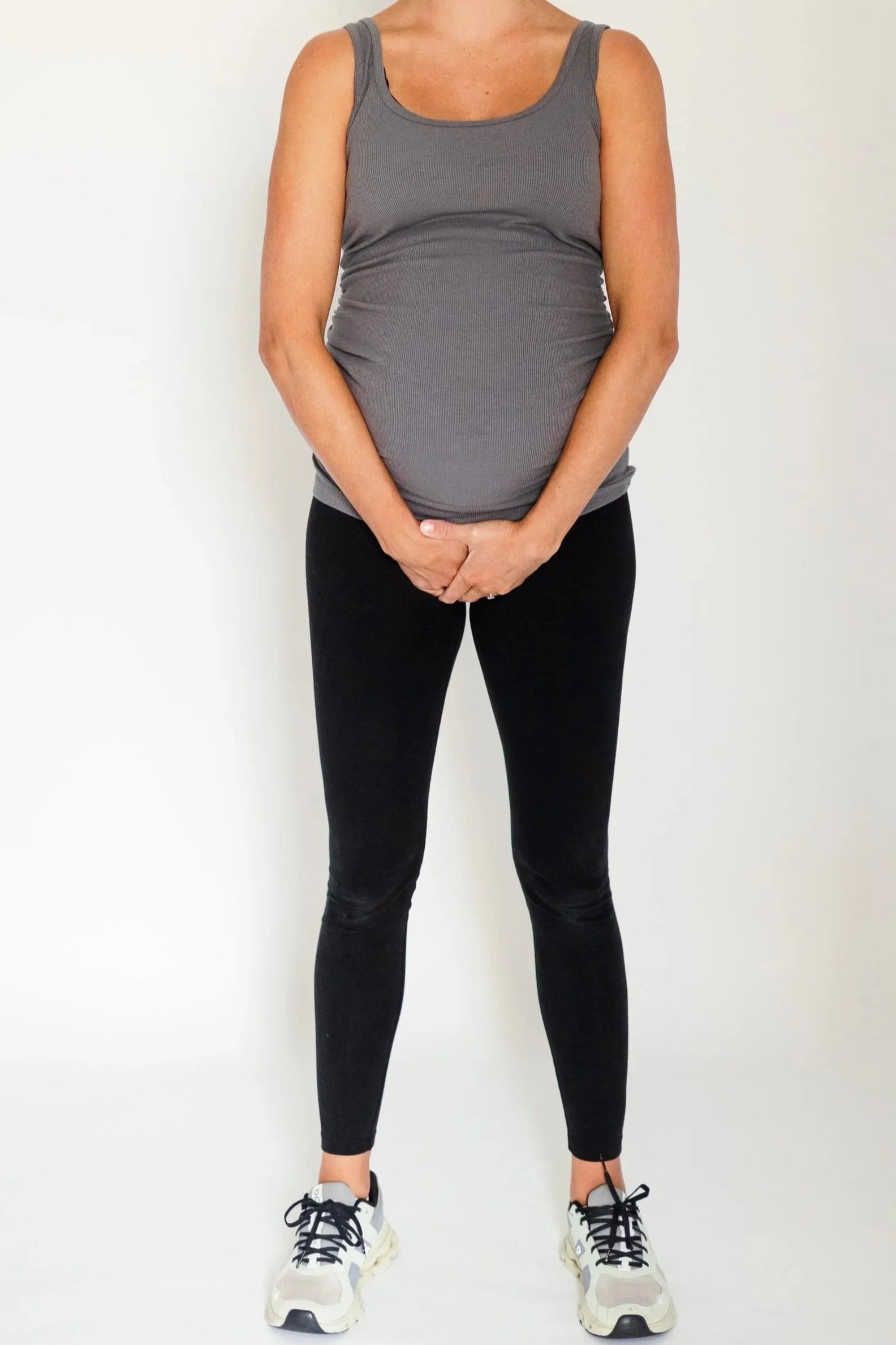
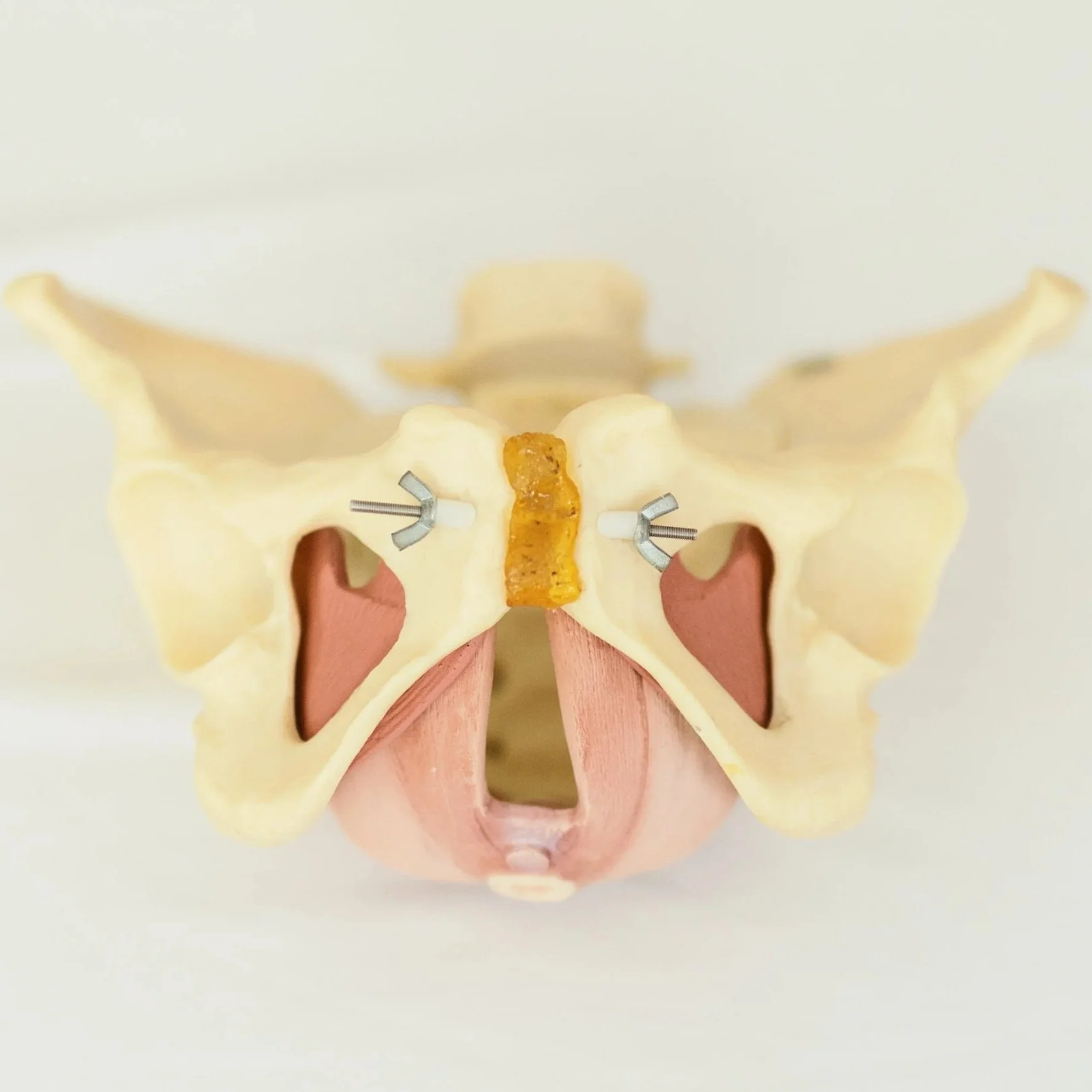
Like any other muscle group in your body, your pelvic floor needs strength (contraction) and length (relaxation) to function correctly. Many people experiencing leaking, pelvic pressure, or pain do not actually have a weak pelvic floor. Instead, their muscles are hypertonic—meaning they are chronically tight, overactive, or stuck in a state of constant contraction.
If your pelvic floor is already in a state of chronic contraction, forcing it to do 50 Kegels a day adds tension to an already exhausted system. This can lead to increased urinary urgency, pelvic pain, painful intimacy, and ironically, more leaking. Womp, womp.
What Should We Do Instead?
If you’ve been doing your kegel exercises diligently with zero results, it usually comes down to one of three clinical roadblocks:
1. You are doing them with the wrong mechanics.
Research shows that over 30% of women cannot perform a correct pelvic floor contraction based on verbal or written instructions alone (Bø et al., 1988). Instead of lifting and squeezing inward, many people inadvertently push downward (bearing down). Others over-compensate by aggressively gripping their glutes, inner thighs, or holding their breath.
2. You’re missing the "drop."
A true, functional pelvic floor contraction requires a full, unforced relaxation phase. If you squeeze but never fully let the muscle drop back down to its resting baseline, you are training your body into a tight, non-functional state.
3. Your core canister isn’t integrated.
Your pelvic floor doesn't work in isolation. It forms the bottom of your "core canister," working dynamically alongside your diaphragm, deep abdominals, and spinal stabilizers. If you are doing Kegels while holding your breath or sucking in your stomach, you are throwing off the pressure dynamics of your deep core.
Should YOU Be Doing Kegels?
Because every body is built differently, the best way to determine your pelvic floor strategy is through a specialized physical therapy assessment. However, here is a general guide:
You might benefit from pelvic floor strengthening if:
You experience mild leaking when coughing, sneezing, laughing, or running.
You have been evaluated by a pelvic health professional and confirmed to have low muscle tone or weakness.
You can naturally and easily fully relax your pelvic floor between every single squeeze.
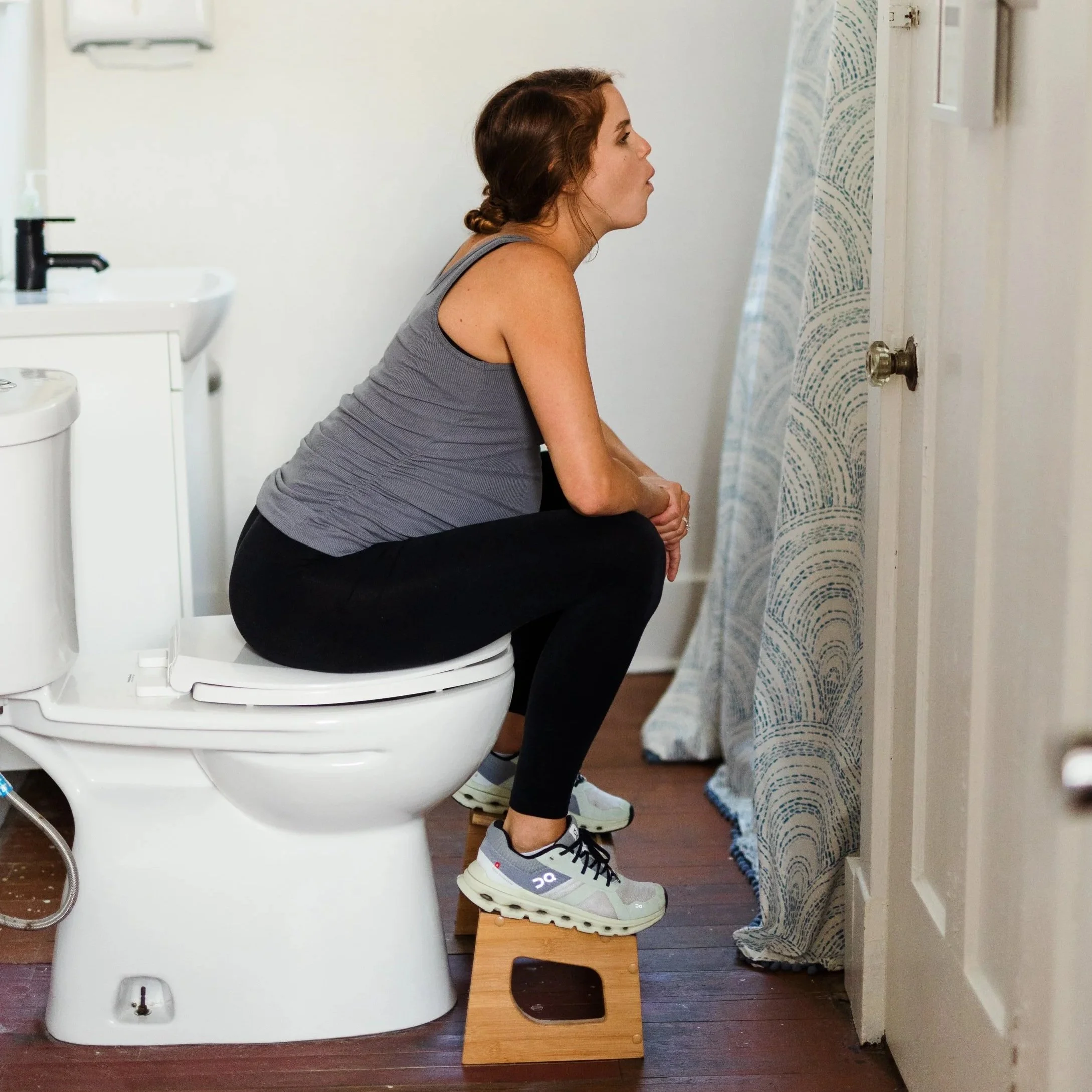
You should pause Kegels and focus on relaxation if:
You experience deep pelvic pain, tailbone pain, or pain during intimacy.
You struggle with chronic constipation or find yourself straining to empty your bladder.
You feel a constant sense of tightness, or notice that you naturally grip your stomach or glutes throughout the day.
You’ve been doing unguided squeezing for weeks and your leaking symptoms are getting progressively worse.
Moving Beyond the Kegel
Instead of guessing whether your muscles need to be strengthened or lengthened, pelvic floor health can help guide you! At NOLA Pelvic Health, we ensure you are building dynamic, functional movement confidence—not just hitting a daily rep count of squeezes.
TL;DR:
Kegels are excellent if your pelvic floor muscles are weak and elongated. However, if your muscles are chronically tight and overactive (hypertonic), doing more Kegels can actually make leaking and pelvic pain worse.
Ready to find out exactly what your body needs to move without leaks or pain?
Clinical Research References
Dumas, G., et al. (2018).Pelvic floor muscle training for urinary incontinence in women. Cochrane Database of Systematic Reviews. PMID: 29517170
Hagen, S., et al. (2014).Pelvic floor muscle training for secondary prevention of pelvic organ prolapse (POPPY): a multicentre randomised controlled trial. The Lancet. PMID: 24290538
Bø, K., et al. (1988).Evaluation of female pelvic floor muscle strength and coordination. Neurourology and Urodynamics. PMID: 3400508