
Leaking When You Sneeze Isn’t Normal… Here’s Why and What You Can Do About It!
Leaking urine when you sneeze, laugh, cough or exercise is incredibly common—especially for postpartum women, runners, and those who lift weights. But at NOLA Pelvic Health, we tell our patients the truth…
Just because it’s common doesn’t mean it’s normal. More importantly, it’s something you can improve with the right help and training.
What is Stress Urinary Incontinence?
Leaking during any of the above activities is a form of stress urinary incontinence. This happens when your pelvic floor and core can’t manage the sudden increase in pressure in the abdomen.
Think of it like a pressure canister:
The Sneeze: A sudden, high-velocity spike in internal pressure.
The Pelvic Floor: The support system that must respond instantly to close the sphincters.
The Result: If the timing, strength, or coordination of that response is off, leakage occurs.
4 Common Causes of Leaking
1. Poor Pelvic Floor Coordination (Not Just Weakness)

Many people assume the answer is "more kegels." However, your pelvic floor needs to do more than just squeeze; it needs to:
Contract quickly to meet sudden pressure.
Relax fully to maintain muscle health.
Coordinate optimally with your diaphragm and deep core.
2. Core Pressure Mismanagement
Your pelvic floor is the bottom of your core cylinder. Therefore throughout movement and activity our pelvic floor is often reflexively supporting every load that is placed on top of it. If the load becomes too much, our muscles aren’t contracting optimally, or the muscles fatigue overtime you can often have leaking.
3. Postpartum Changes

Whether you are months or years postpartum, pregnancy and delivery cause significant shifts such as:
Elongated pelvic floor ligaments, connective tissue, and muscles.
Altered deep core function which requires retraining.
Reduced postural support and thoracic mobility.
Hormonal changes affecting tissue support.
All of these can affect how your pelvic floor is functioning day to day.
We see it often: symptoms that begin subtly, slowly reach a breaking point. While many of our patients wish they had started pelvic health physical therapy sooner, the truth is that your body is remarkably adaptable, and it is never too late to find relief!
4. High-Impact Exercise Without Proper Training
We are 100% pro-exercise and you performing activities that feel good to your body! However, typically people can’t go from 0-60 without what’s called: progressive overload. If your body hasn’t been trained to manage various loads placed on it after pregnancy, injury, or inactivity, your core and pelvic floor may not be ready for impact.
At NOLA Pelvic Health, we are expertly trained in progressively training your whole body to function better. For some this may mean baby steps, and for others you may be able to progress more quickly. Every body is different and every one deserves intentional one-on-one care to get them back to action!
Signs Your Body May Need Better Support
Beyond just leaking when you sneeze, you might notice:
Pelvic Heaviness: A feeling of something "falling out" or pressure down below.
Clenching: Feeling like you have to squeeze everything tight before moving.
Abdominal Doming: Seeing a "ridge" or cone shape in your midsection during exercise (a sign of Diastasis Recti).
Pelvic Pain: Pain in low back, hips, abdomen during or after exercise or movement!
How to Stop Leaking:
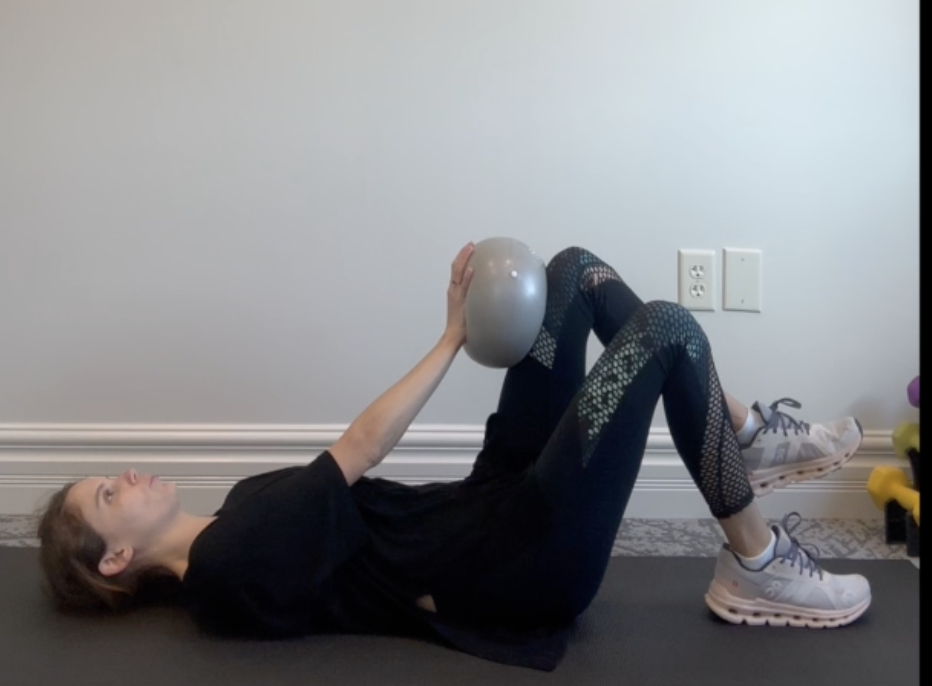
What Helps:
Breath coordination - connecting the deep core
Improving thoracic spine and rib cage mobility - improving overall postural mobility and stability
Glute and hip strengthening and stabilization - retraining glutes and hips to create a stable “house” for your pelvic floor
Gradual progression of training - not jumping in all the way, but a gradual return to strength training, running, crossfit, pilates
What to Avoid:
Endless kegels - squeezing without a functional goal or system
Clenching throughout the day - clenching to feel support
Breath holding during minor tasks - this reduces appropriate mobility through deep core
Ignoring symptoms - assuming it’ll just go away. Typically as things become more chronic, they also become harder to retrain
The Knack
Although this is not the only fix, it can help in a time of need! So, next time you feel a sneeze coming, try this PT-approved trick:
The Lift: Gently engage your pelvic floor before the sneeze.
Let it Out: Don’t hold your sneeze in - let the sneeze be loud and proud!
The Release: Relax fully afterward.
Specialized Pelvic Health Therapy in New Orleans
If leaking is affecting your workouts or your daily confidence, it’s time to address the root cause. At NOLA Pelvic Health, we help women move from "ugh that’s annoying" to thriving!
Pelvic floor physical therapy helps you:
Restore coordination (not just strength).
Fix underlying imbalances in the hips and core.
Return to running and lifting without symptoms.